
The Impact of AI on Video Production

Updated: Aug 6, 2025
The Rise of AI in Video Production
The past few years have seen a significant increase in the adoption of AI technologies across various industries, and video production is no exception. AI-driven tools and platforms are becoming more prevalent, enabling artists to streamline their workflow and reduce time-consuming tasks. From automated video editing to content suggestions and enhanced visual effects, AI applications are appearing at every stage of video production.
The rise of AI presents an exciting opportunity for artists to focus on their creative vision while allowing machines to handle repetitive and mundane tasks. As a result, artists can allocate more time to ideation and storytelling, dramatically improving their overall performance in video production.
Pros of AI in Video Production
1. Enhanced Efficiency
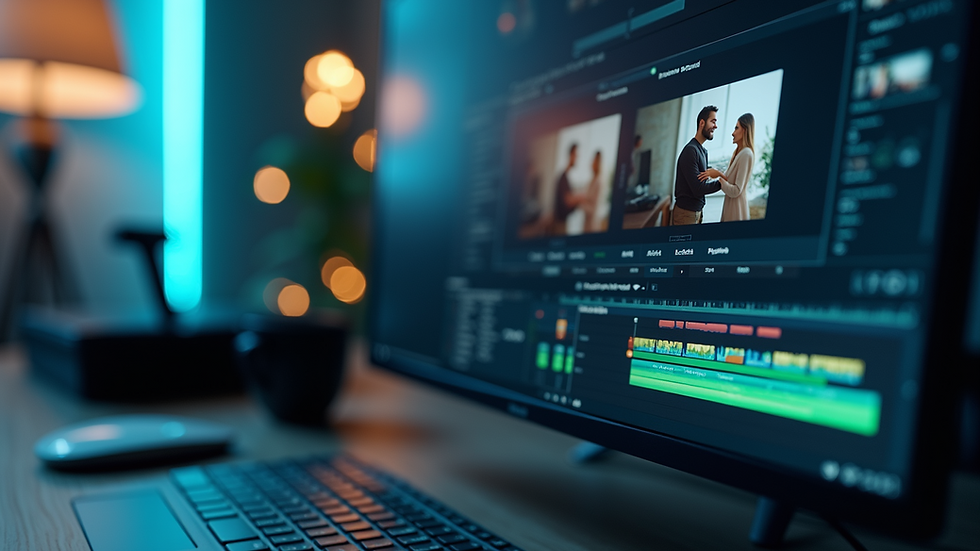
One of the most significant benefits of integrating AI into video production is the enhancement of efficiency. AI algorithms can automate editing processes, such as sorting through hours of footage and identifying key moments. This automation helps artists save valuable time and resources, allowing them to concentrate on more creative tasks.
2. Improved Quality
AI tools can analyze large datasets and learn from them, which enables smarter decision-making in video production. For instance, AI can optimize video quality through intelligent encoding and color correction techniques. By automating the technical aspects of video production, artists can ensure their final products meet higher standards of quality without extensive manual intervention.
3. Creative Assistance
AI can serve as a creative partner for artists, offering insights and suggestions based on data-driven analysis. Machine learning algorithms can analyze existing content to identify popular trends, themes, and techniques that resonate with the audience. Armed with this knowledge, artists can make informed decisions about their projects and experiment with new styles and narratives.

Cons of AI in Video Production
While AI can enhance efficiency and quality in video production, it also raises concerns about the erosion of artistic expression. Relying too heavily on AI-generated suggestions may dilute the human touch that makes video content unique and compelling. The subtle nuances and emotional depth that human creators bring to their work might be overshadowed by machine-driven decisions.
AI tools, though increasingly sophisticated, are not infallible. They require accurate data input and do not always produce perfect results. For example, AI algorithms may misinterpret footage or overlook important emotional cues in storytelling. As artists integrate AI into their workflows, they must remain vigilant and ready to correct any technical oversight that could negatively affect the final product.
There is a risk that artists may become overly dependent on AI tools, potentially stunting their growth and creativity over time. If artists rely on AI for brainstorming creative ideas or simplifying their processes, they may inadvertently relinquish their own intuition and innovation. Lessons learned from trial and error could be lost as artists lean more on machine-generated content.
Copyright infringement through AI-generated content has become a significant concern as artificial intelligence systems increasingly produce text, images, music, and other creative works. When AI tools are trained on copyrighted materials without proper licensing or permission, the resulting outputs can unintentionally replicate or closely resemble the original works, leading to potential legal issues. This raises complex questions about authorship, ownership, and the ethical use of AI in creative industries.
Balancing the AI and Artistic Element
Navigating the balance between leveraging AI's capabilities and maintaining artistic integrity is crucial for video production professionals. Artists must recognize the tools' benefits while cultivating their creativity and personal style. By doing so, they ensure that their art remains distinctive and that they maintain an emotional connection with their audience.
Fostering a collaborative relationship with AI can help artists achieve a harmonious coexistence. It’s essential to use AI-generated insights as a supplementary resource rather than a primary guide in creative processes. This approach allows artists to maintain their unique voice while exploring the advantages that AI tools offer.
The Future of AI in Video Production
As AI technology continues to advance, its influence on video production will only grow stronger. The ongoing development of AI algorithms will open new possibilities for video creators, resulting in innovative ways to engage audiences. Moreover, as AI becomes more adept at understanding and replicating human creativity, the boundaries between machine-generated and human-made content may blur.
However, the conversation surrounding AI's role in artistic fields will remain essential. Creators will need to establish ethical guidelines and boundaries to safeguard their artistic identity in a landscape increasingly shaped by technology.
Conclusion
AI is undeniably transforming artistic performance in video production, presenting both exciting opportunities and daunting challenges. By automating tedious tasks, enhancing video quality, and providing creative assistance, AI tools can elevate the artistry of video production. However, as AI continues to evolve, it is crucial for developers, users, and policymakers to establish clear guidelines to navigate copyright laws and protect the rights of original creators.
In conclusion, the integration of AI in video production is a double-edged sword. While it offers remarkable benefits, it also poses significant risks. Artists must strike a balance between utilizing AI and preserving their unique creative voice. By doing so, they can harness the power of AI while ensuring that their work remains authentic and impactful.


Comments